 info@wildearth.travel

In Zimbabwe, the land evolves with the seasons and the wildlife inextricably follows. Each month, the landscape transforms, water levels rise and fall, and the wildlife pursues seasonal whims of weather and landscape. Knowing exactly when to visit these safari spots is the secret to the perfect Zim safari experience. For the discerning traveller, timing is everything: the right season transforms a safari into a spectacle.
Avian Assemblies: When the Birds Arrive
Flooded plains, morphing lagoons and the highlands of the east, attract a spectacular array of birds – up to 700 species in Zimbabwe, many of them localised mega-ticks. spectacular motion. With the first rains in November, migratory species like carmine bee-eaters, cuckoos, and broad-billed rollers descend. From December to March (where flooding allows), their colours and calls turn Mana Pools and Lake Kariba into grand shows of avian drama while the Eastern highlands are alive with Miombo and forest specials In Gonarezhou, rivers and temporary wetlands become breeding grounds, where herons, jacanas and myriad other species stake claim. Timing your visit for the wet months guarantees that your binoculars catch skies alive with wings and colour.

Predator Plethora
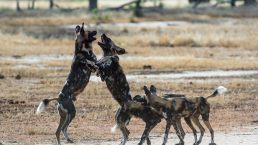
When water becomes scarce, the bush becomes a lively battleground. As the dry months stretch from June to November, prey animals seek out the seasonal pans they know to be dependable. In Hwange and Mana Pools (especially the epic Chitake Springs), lions, wild dogs, and leopards seize their chance as thirst drives herbivores into the open. They hunt in daylight, causing utter chaos at the diminishing waterholes. In Gonarezhou, riverside encounters also erupt into full-on predator-prey theatrics. This is the prime season for predator sightings, where tense dynamics erupt daily, gracing dust-filled arenas with the spectacle of survival around the last moisture.
Corridors of the Giants
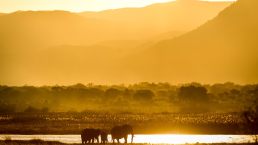
The dry season orchestrates gatherings of huge, thirsty herds . From July to October, Hwange National Park sees astonishing numbers of elephants and buffalo moving towards permanent waterholes. The Zambezi’s banks double as wildlife highways, guiding herds of animals into the open where their most cinematic moments play out in full view.

Rivers in Flux: Seasonal Waterlife Spectacles
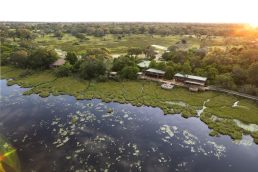
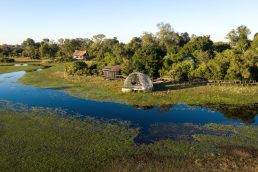
When the downpours arrive between November and April, Zimbabwe’s rivers flow high, the seasonal pans fill and the bush becomes a vivid and often flooded display. The Zambezi floods, Mana Pools becomes a network of lagoons and channels, Victoria Falls surges with its iconic torrent, and Lake Kariba exposes temporary islands vibrantly alive with hippos,crocodiles, and birds. In the wet season, water dictates movement, dispersing game and sharpening predator strategies, producing some of the country’s most picturesque and private moments – this is quiet green season .

Wilderness Timing
In Zimbabwe, the season dictates the safari experience. Come with the rains and watch rivers claim the plains, floodwaters scatter game, and birds fill the skies. Arrive in the dry season and witness elephants crowding waterholes, predators on the hunt, and the bush stripped to its raw essentials. Whichever season speaks to you, a front- row seat to the country’s ever-changing wildlife theatre reveals drama and details in unforgettable display.