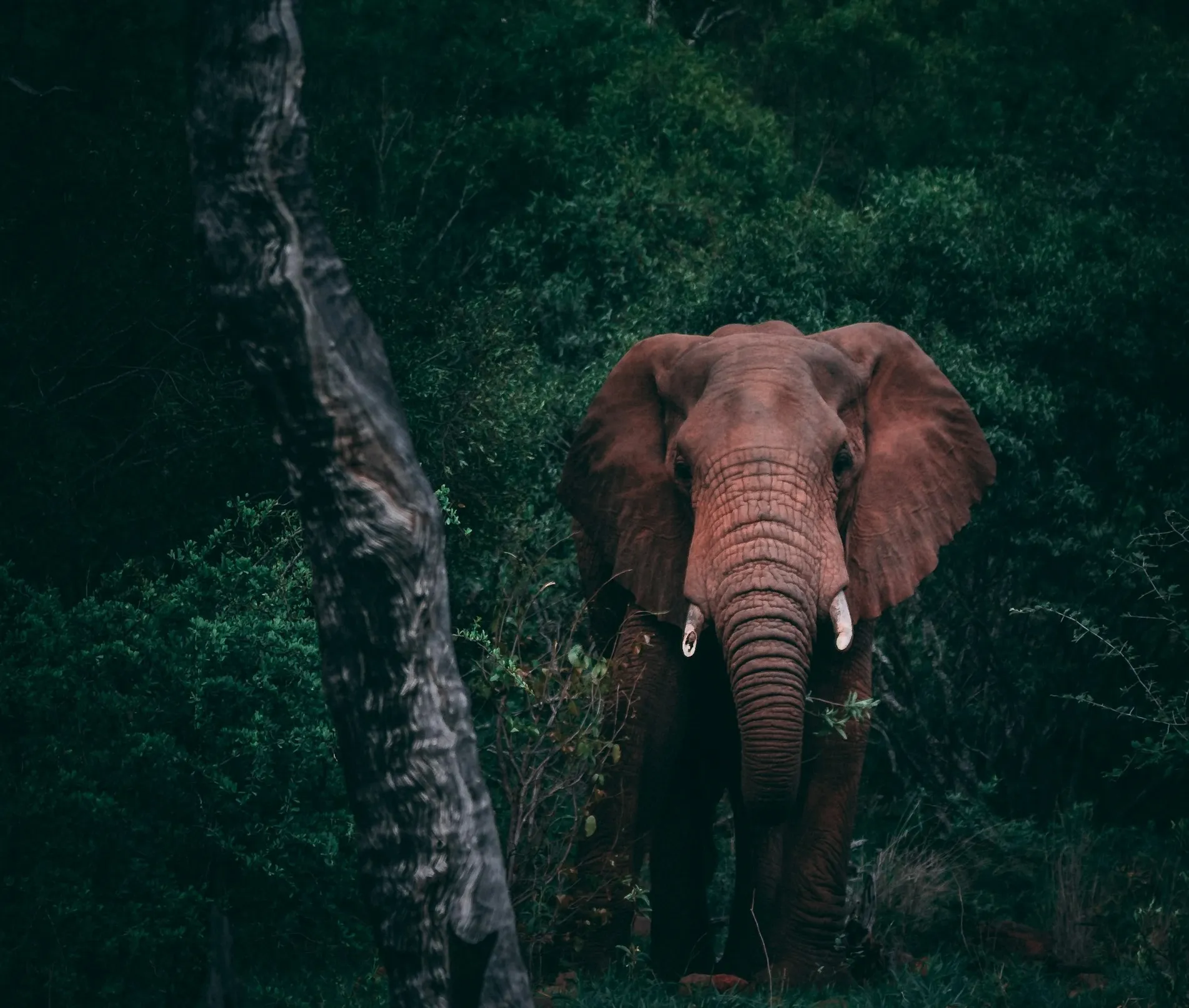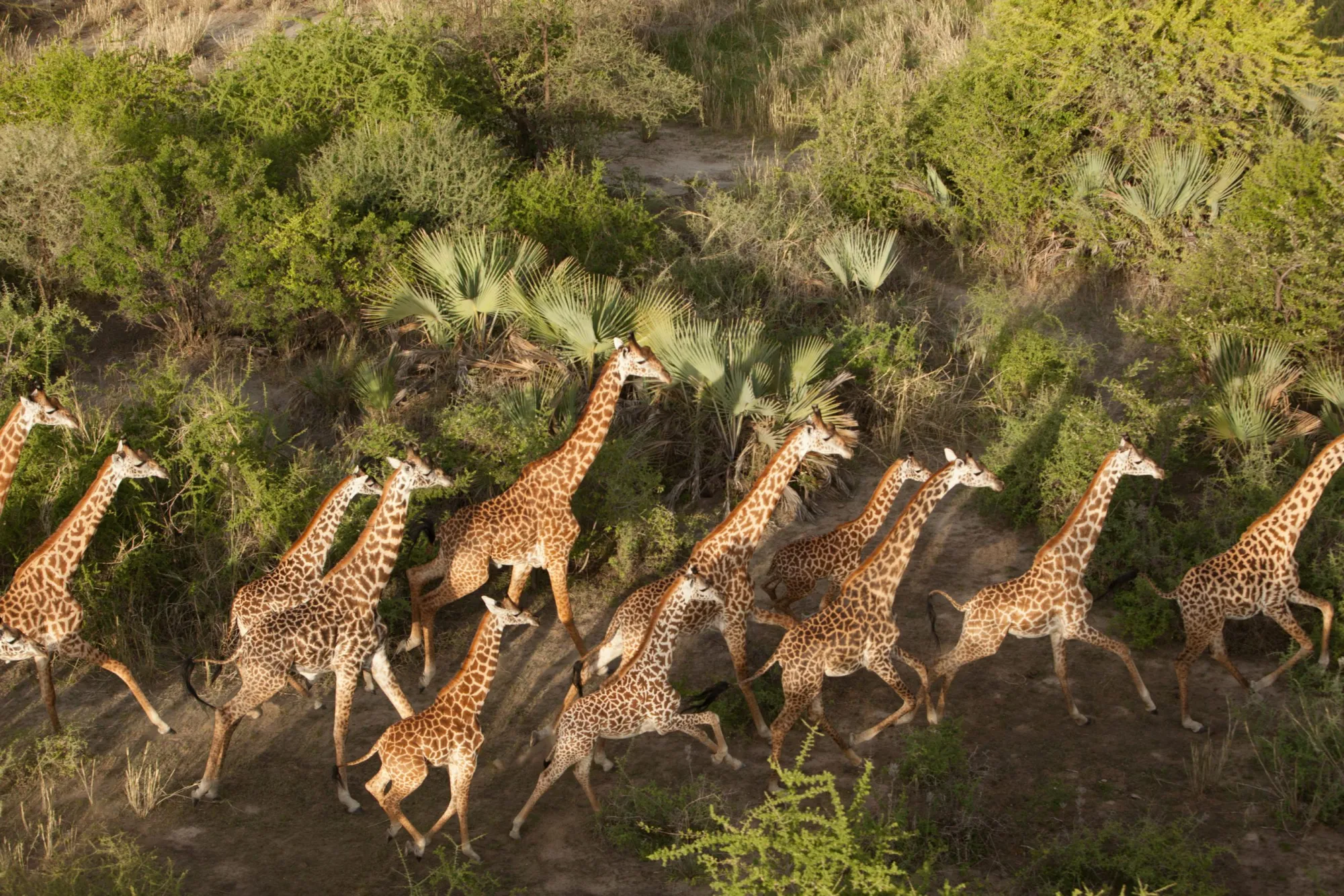
Tanzania is a country of extraordinary scale — from the snowfields of Kilimanjaro to the coral reefs of Zanzibar, from the massive southern wilderness of Nyerere to the chimpanzee forests above Lake Tanganyika — and yet its safari circuits are well-organised enough that moving between these worlds is more straightforward than the distances suggest. Light aircraft connections link the major parks efficiently, turning what would otherwise be days of overland travel into short hops above the changing bush. The infrastructure, where it matters, works. The wilderness, where it matters, remains intact.
The northern circuit is where most journeys begin, and with good reason. The Serengeti is the anchor — one of the most ecologically complete ecosystems on earth, shaped by a wildebeest migration that runs on a calendar worth planning around. Ngorongoro sits alongside it, a collapsed volcano holding one of the densest concentrations of wildlife in Africa within its walls. Lake Manyara offers a compact but surprisingly diverse introduction to the Rift Valley, with tree-climbing lions and flamingo-pink shallows. Tarangire rounds out the northern circuit with ancient baobabs, enormous elephant herds and a quiet that the Serengeti's more visited corners can't always match.