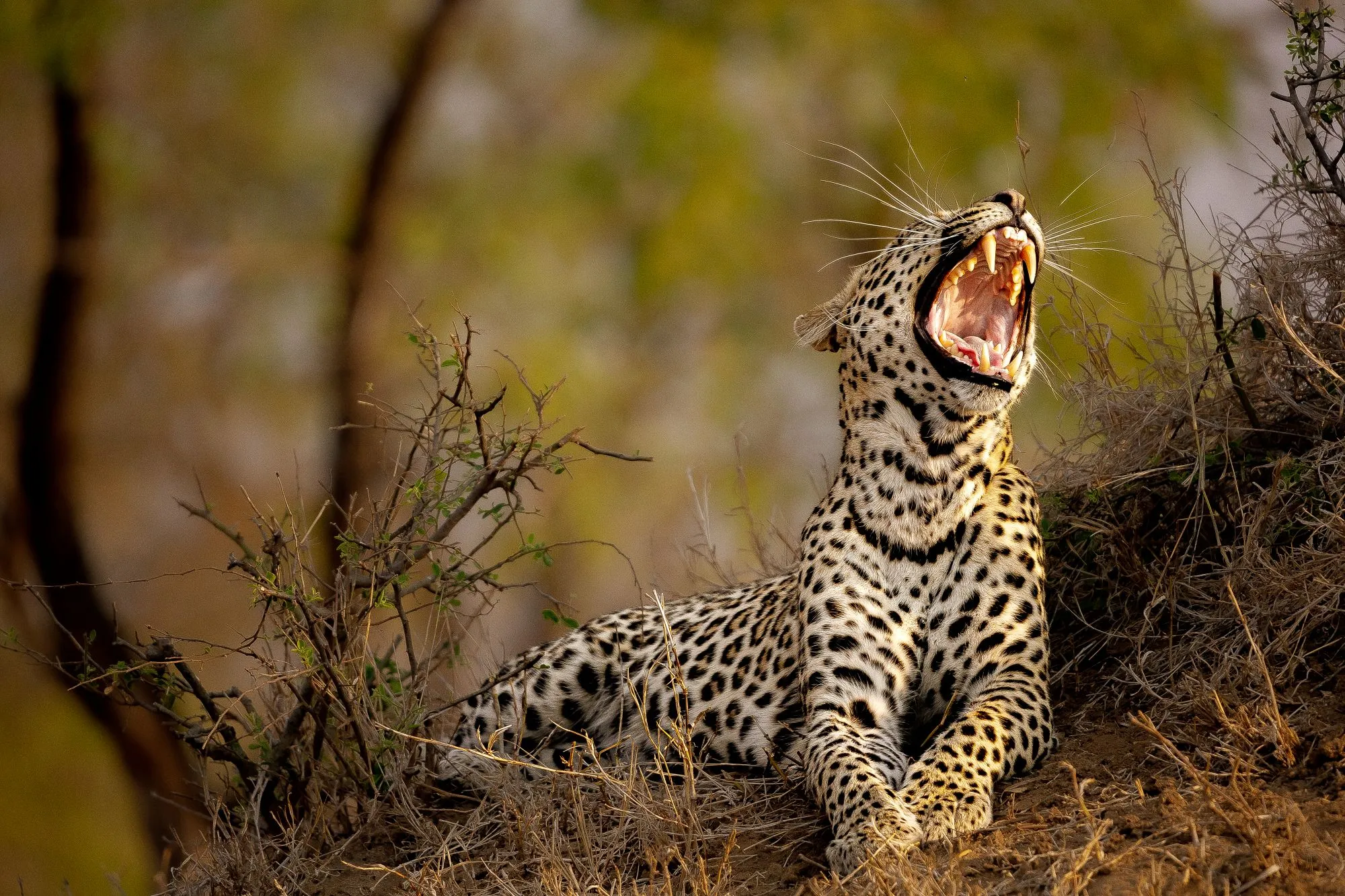
Meet the Leopards of the Sabi Sand
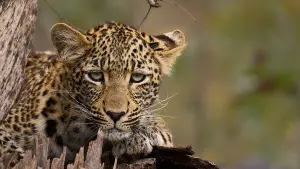
The Sabi Sand Nature Reserve is probably Africa's premier leopard viewing destination. Long-term research by the NGO Panthera indicates that there are roughly 80 named (i.e. known) leopards in the reserve. It is not only the number, however, that makes this an astonishing place to see the Prince of Cats - it is their stories.
Each leopard in the area has a known history - their parents, offspring, territorial movements, birthdays. More interestingly, the Sabi Sand guides know the individual leopards' stories - their greatest challenges, when they lost cubs, were bitten by a snake, mated for the first time or made their first kill.
Each major life milestone forms part of the guide's leopard repertoire, and this rich story tradition enhances your experience of the leopards immeasurably.

Why the Sabi Sand Is Leopard Country
Decades of continuous habituation by dedicated teams of guides and trackers.
A rich tradition of tracking leopards by local Shangaan trackers.
A high concentration of prey species - impala mostly - that are the perfect size for leopards.
47 known female leopards and 27 known male leopards in the reserve.
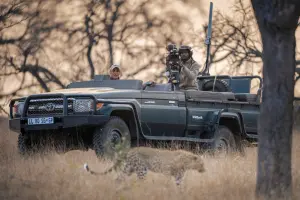
Off-road driving - game drives can follow leopards into the bush.
Mixed woodland, clearing and riverine forest - ideal for this secretive cat.
Meet the Leopards
Kuchava
Territory: Chitwa-Chitwa area
Lineage: Mother - Thandi (+) Father - Mvula (+) Offspring - 6 litters, 3 surviving offspring as of August 2026
Est. Age / Status: Born mid-August 2014
Known For: Mothering skills, calm, confiding nature
Best Chance Of Seeing: Chitwa Chitwa, Jaci's Safari House, Cheetah Plains
Kuchava is extremely tolerant of people, sometimes even on foot, and has frequently been seen walking into the Chitwa Chitwa lodge. She was actually born under one of the room decks at Chitwa Chitwa.

Tortoise Pan
Territory: Western Djuma, Arathusa, Hoffmans, Western Little Gowrie
Lineage: Mother: Ndzandzeni Female Father: Possibly the Inyathini Male
Est. Age / Status: Born: July/August 2016 - Territorial male
Known For: Large, heavy build, scarred face.
Best Chance Of Seeing: Chitwa Chitwa - the traverse covers Tortoise Pan's entire territory.
Tortoise Pan was born on Londolozi - he is named for a small waterhole, rather than any resemblance to a tortoise! His grizzled face and bulky physique make him an intimidating yet sought-after presence.

Flat Rock Male
Territory: Marthly, Koppies on Mala Mala
Lineage: Mother: Porcupine Female Father: Mbavala/Vin Diesel
Est. Age / Status: Born: 2013
Known For: He was just three when he established his first territory - possibly due to his unusually fast physical development.
Best Chance Of Seeing: Londolozi, Mala Mala
Flat Rock's most notable achievements have revolved around his strategic savvy - he avoids conflict when required and has shifted territory frequently when pressured. More darkly, but just as strategically, he has removed many rival male genetics through infanticide. He is calm and confiding around game drives.

A Presenter-Guide's Perspective
I have worked both north and south of the Sand River, and the leopards have always been the highlight of this much-vaunted reserve. When I arrived there, I didn't believe all the hype - but the legends bore up. This is a phenomenal place to study these cats. If you travel to the bigger properties - particularly Londolozi, Singita and Mala Mala - the low vehicle density means that you can spend hours with the leopards without the pressure to move.
This means you can really begin to learn the individual characters and their mannerisms - this is much more than seeing leopards, it is learning them. It goes without saying that the photographic opportunities are absolutely stellar.
If I had to pick a favourite leopard sighting, it would probably be one of a now-dead leopard called Xongile - I spent 20 minutes with her on foot. She was as fascinated by us as we were by her.

How to See Them
All Sabi Sand lodges specialise in leopard viewing - Londolozi and Mala Mala are probably the most famous. Chitwa Chitwa offers the chance to see the famous WildEarth characters.
Leopards are most active at dusk and dawn, and that's the best time for photography - the normal morning and evening game drives are the best times to see leopards.
In a four-night stay in the Sabi Sand, you have a 90-95% chance of seeing at least one leopard.

FAQ
How many leopards live in the Sabi Sand?
There are in excess of 80 known, named leopards in the Sabi Sand (including cubs). Sightings are logged with research group Panthera, and each lodge keeps extensive records.
Are Sabi Sand leopards habituated to vehicles?
The leopards in the Sabi Sand are habituated to being viewed by safari vehicles. What this means is that they largely ignore people on game drive, simply carrying on with their lives because they have grown up around the lodges.
What's the best camp for leopard sightings in the Sabi Sand?
Chitwa Chitwa and Jaci's Safari House offer the best chances of seeing WildEarth leopards. Londolozi, Mala Mala and Singita all enjoy Sand River frontage, which offers exceptional leopard viewing.
Is the Sabi Sand fenced off from Kruger National Park?
There are no fences between Kruger National Park and the Sabi Sand. Animals can come and go freely, and this means new leopards and leopard lineages are constantly appearing in the area.
Plan Your Own Leopard Safari
WildEarth Travel offers bespoke and packaged safaris to view the leopards of the Sabi Sand. Our Meet the Leopards signature safaris are designed to find the famous 'as seen on TV' WildEarth leopards. The Meet the Crew, Sabi Sand safaris will also give you a great chance of seeing these amazing cats. Contact us to book a spot on these safaris or to create your own leopard-focussed Sabi Sand safari.