What Is the Best Time of Year to Visit the Sabi Sand Nature Reserve?
The quick answer:
Go during the dry season, May to September, if game viewing is your priority. The bush thins, the waterholes shrink, and the animals get pushed onto a handful of predictable sites.
Go during the green season, October to April, if you want birdlife, newborns everywhere and a lighter bill.
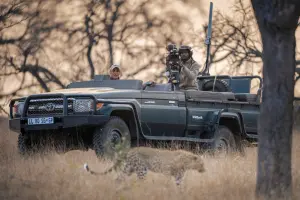
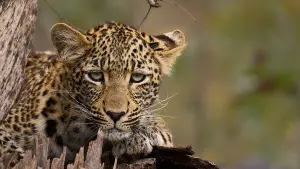
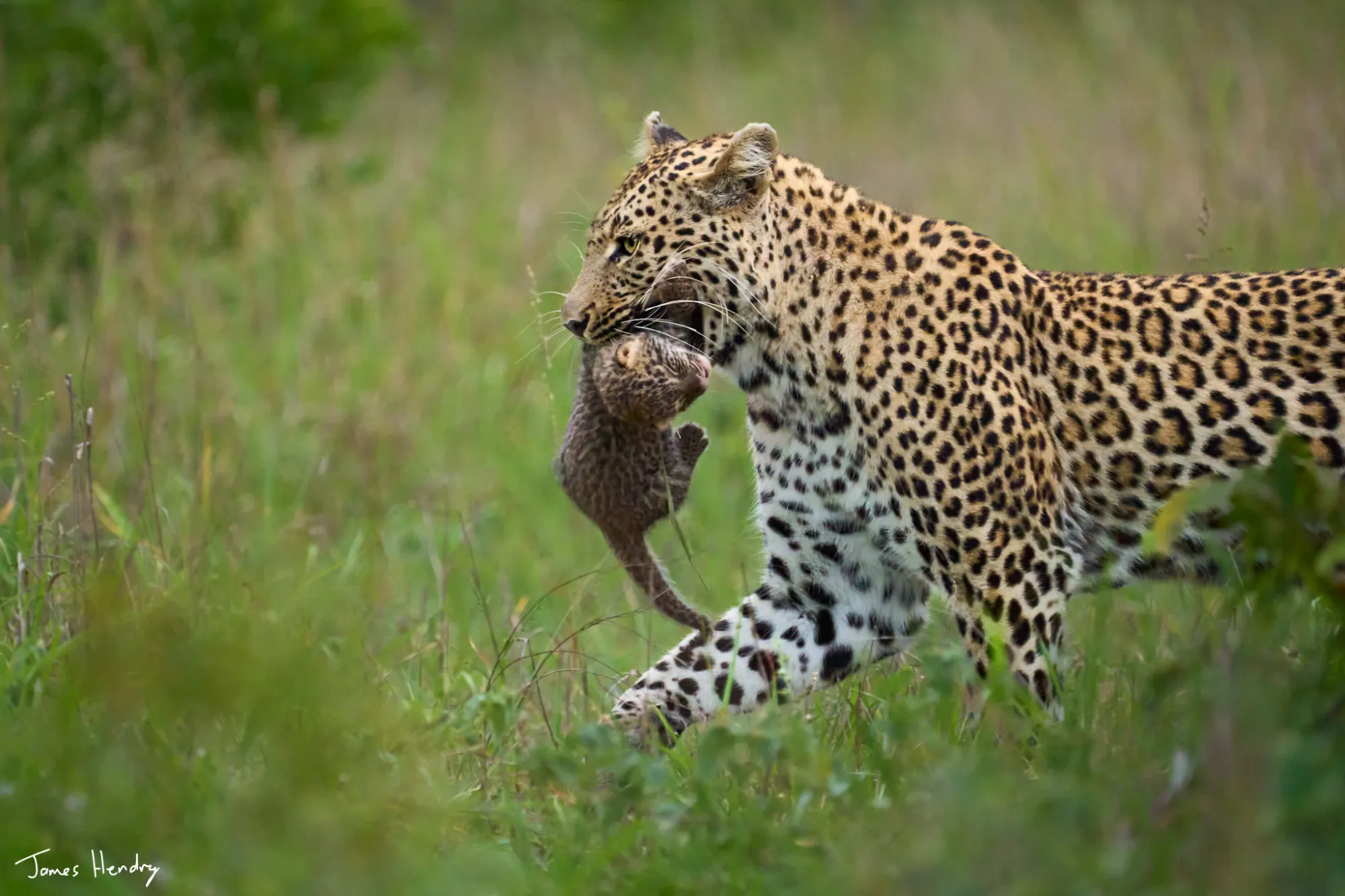
Having travelled to the Sabi Sand over both seasons, the honest answer is that there is no bad time to be here. The reserve shares an unfenced boundary with Kruger, and the leopard density is about as high as it gets anywhere on the continent. What changes with the seasons isn't whether you will see wildlife, it's how easy that wildlife is to find, and what else comes with the sighting.
Here is how I would break it down, season by season, so you can match the trip to what you actually want out of it.
The Sabi Sand Nature Reserve, in short.
The Sabi Sand sits in Mpumalanga Province, in eastern South Africa. It is part of the Greater Kruger ecosystem, and covers around 65,000 hectares. It was established in 1948, making it South Africa's first private game reserve, and the fences separating it from Kruger came down in 1993, allowing animals to move between the reserve and the Great Limpopo Transfrontier Park - some 4.5 million hectares.
The dry season runs from May to October - and includes the winter months, May to August. Rain is minimal, and although it is nominally winter, midday temperatures regularly reach the mid-20s Celsius (high 60s Fahrenheit) - though the dawn is chilly, and mornings on game drive can be properly cold. September and October are the business end of the dry season.
Summer, known as the green season, runs November to April, with daytime temperatures climbing into the high 30s Celsius (90s Fahrenheit), and exciting afternoon thunderstorms. It's a low malaria risk zone throughout, but I would still take precautions, especially in the warmer, wetter months.

Dry season - May to October: Why the viewing peaks.
Winter is the clearest, driest stretch of the year, as the grass dies back and the bush opens up. Animals that would otherwise vanish into thick cover become far easier to spot from the vehicle.
There is almost no rain from May through to October. Mornings can be pretty cold, dropping into single digits through June and July, before the day warms to a comfortable 24 to 26 Celsius (mid-70s Fahrenheit). The smaller waterholes and seasonal pans dry out completely as the heat builds in anticipation of the rains in November. Thirsty animals head to the remaining pools in the Sand and Sabie Rivers and the pumped waterholes.
Predators tend to do especially well in winter, since their prey is drawn to the same shrinking waterholes they are - if hunting leopard, lion, and wild dog are what you are chasing, this is your window.
Winter's cooler temperatures also mean the animals stay active for longer through the day, instead of retreating into shade to wait out the heat.
By September the days are warming up again, but you still get the visibility that makes winter special, and you'll want to be back in camp sipping a G&T by the pool come mid-morning.

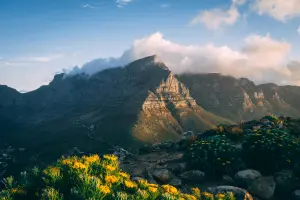
Green season - October to April: What changes, and what it's good for.
The rains change the whole character of the reserve. Grass shoots up, bush thickens and the land is bathed in a thousand shades of green. Some sightings call for a little more patience than in winter, but the colours more than make up for it. Heat and humidity build steadily and peak from December through to February, with daytime temperatures heading regularly into the mid to high 30s Celsius (90s Fahrenheit) - if you're lucky, you'll experience the build-up and breaking of an afternoon storm.
This is the best time for viewing birdlife, full stop. Migratory species start arriving from August and the reserve reverberates with their songs and mating antics. Many antelope give birth just before or during the rains, so November and December bring a steady run of newborns, which is a real draw if you are travelling with a camera or with kids. And there is something to be said for the storms themselves. The light before and after them, and the green they leave behind, gives the bush a completely different mood to the dust and gold of winter.
Rates drop too, since demand eases off outside the peak months. If birdlife, newborns, and better value matter more to you than guaranteed predator sightings, the green season will suit you well.

What this means for booking
Lodges fill up fast for May to October, for obvious reasons, so if you want that dry season visibility, you'll need to book up to twelve months out, particularly for July and August.
If you have more flexibility, or a specific interest in birding or newborns, look at November to April (there is a brief rush in December also).
Those shoulder months tend to strike a good balance between availability, weather, and experience. January and February are the quietest and cheapest months on the calendar, and if you love bold summer heat and dramatic skies, you'll have a great time.
It really comes down to matching your dates to what you are after, whether that's a leopard on a termite mound, a sky full of migrant birds, or a quieter reserve and a lower rate.

Upcoming Safaris to The Sabi Sand
If any of this has you thinking about travelling to the Sabi Sand, here are two trips worth a look.
Meet the Leopards, November 2026, is built around tracking the Sabi Sand's resident leopards, including Kuchava and her cubs, from Jaci's Sabi House. It falls at the start of the green season, so expect the first flush of lush green surroundings and a good chance of newborn wildlife alongside the leopard sightings.
Meet the Crew: Sabi Sand, has trips going in January or August 2027, taking you behind the scenes with past and present WildEarth crew, the team behind the broadcasts, out in the reserve that put them on the map. We have safari departures during both the green season and the dry season.
You can also build your own dream safari to the Sabi Sand with a bespoke travel option. Just chat to our safari specialists and they will put together an itinerary around your dates, your budget, and what you most want to see.

FAQ
What is the best month to visit the Sabi Sand?
September and October — the "business end" of the dry season, when waterholes are at their smallest and wildlife is most concentrated around what's left.
Is the Sabi Sand a malaria area?
Yes, though it's classified low-risk. I would still recommend anti-malaria medication and insect repellent, particularly from November to April.
How many nights should be spent in the Sabi Sand?
Three nights would be my minimum recommendation, which gives you six game drives and a realistic chance at multiple leopard sightings. Four nights or more gives you extra breathing room, in case the weather or the sightings take a little longer to come together.
Is the Sabi Sand good to visit in the rainy season?
It is! November to April brings migratory birdlife, newborn animals, and lower rates, and the lush vegetation just means a little more patience for certain sightings than you'd need in the dry months.
When should a Sabi Sand safari be booked for the dry season?
Book up to twelve months ahead if you want May to October, and earlier still for July and August, since those lodges go first.