 info@wildearth.travel

Africa is not bound by months or minutes. It moves in rhythms — of rain, of dust, of movement. Safaris are shaped not just by where you go, but when. Each season brings a different tone to the landscape, revealing another side of the wild.
Here’s how the year unfolds across the continent, from the dry golden stretches of Southern Africa to the vast, moving herds of the East.
Southern Africa
South Africa, Botswana, Namibia, Zimbabwe, Zambia
Dry Season | May to October
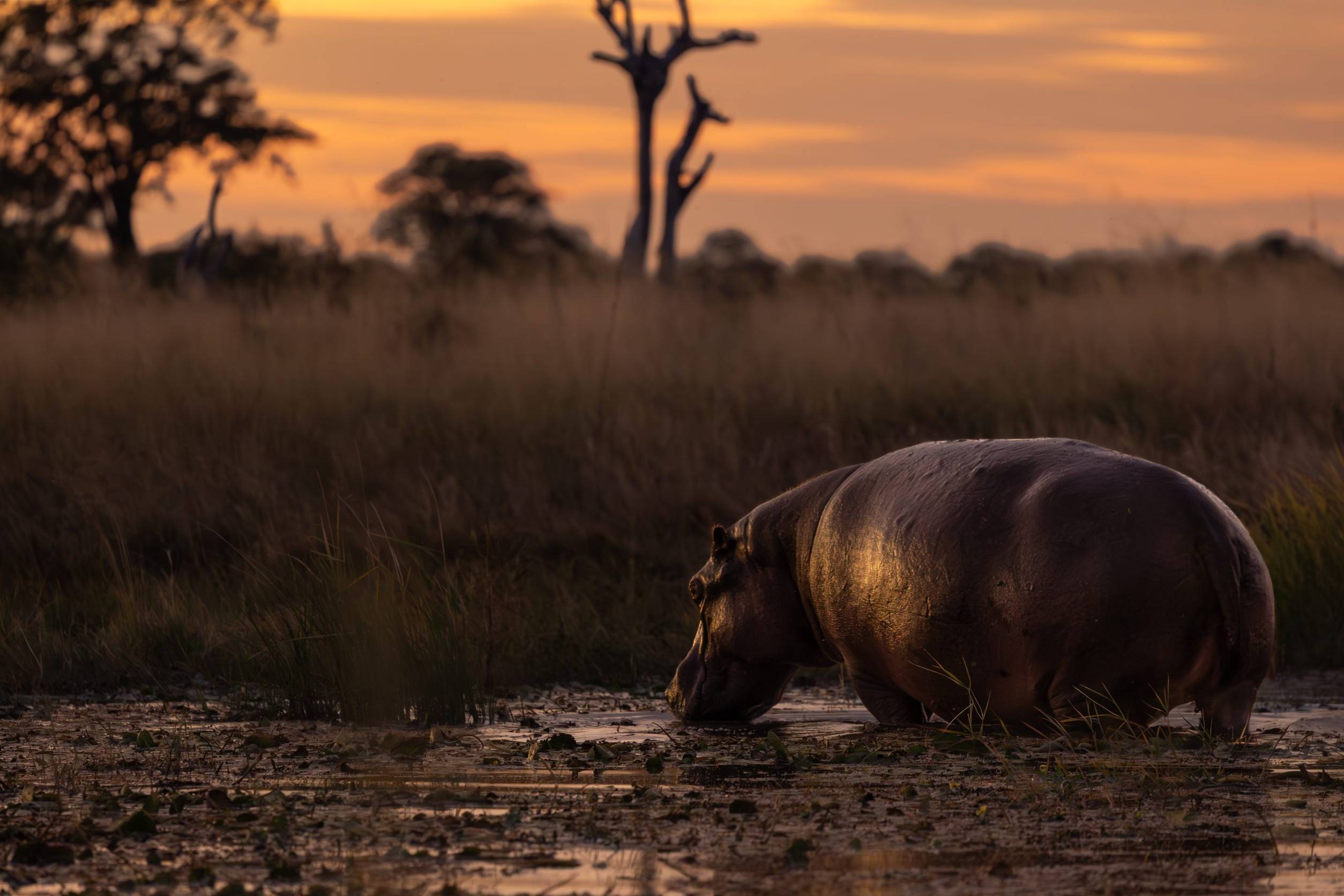
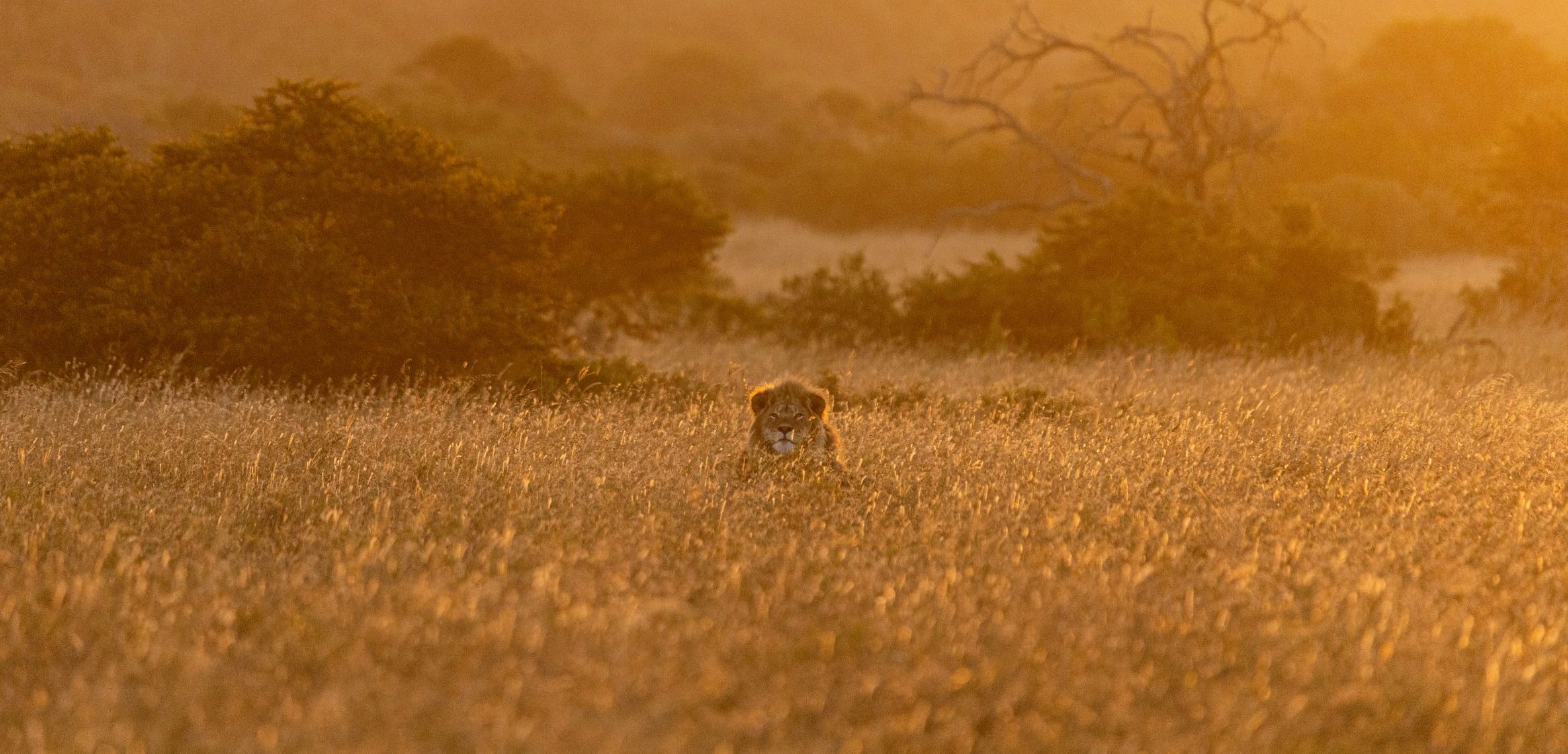
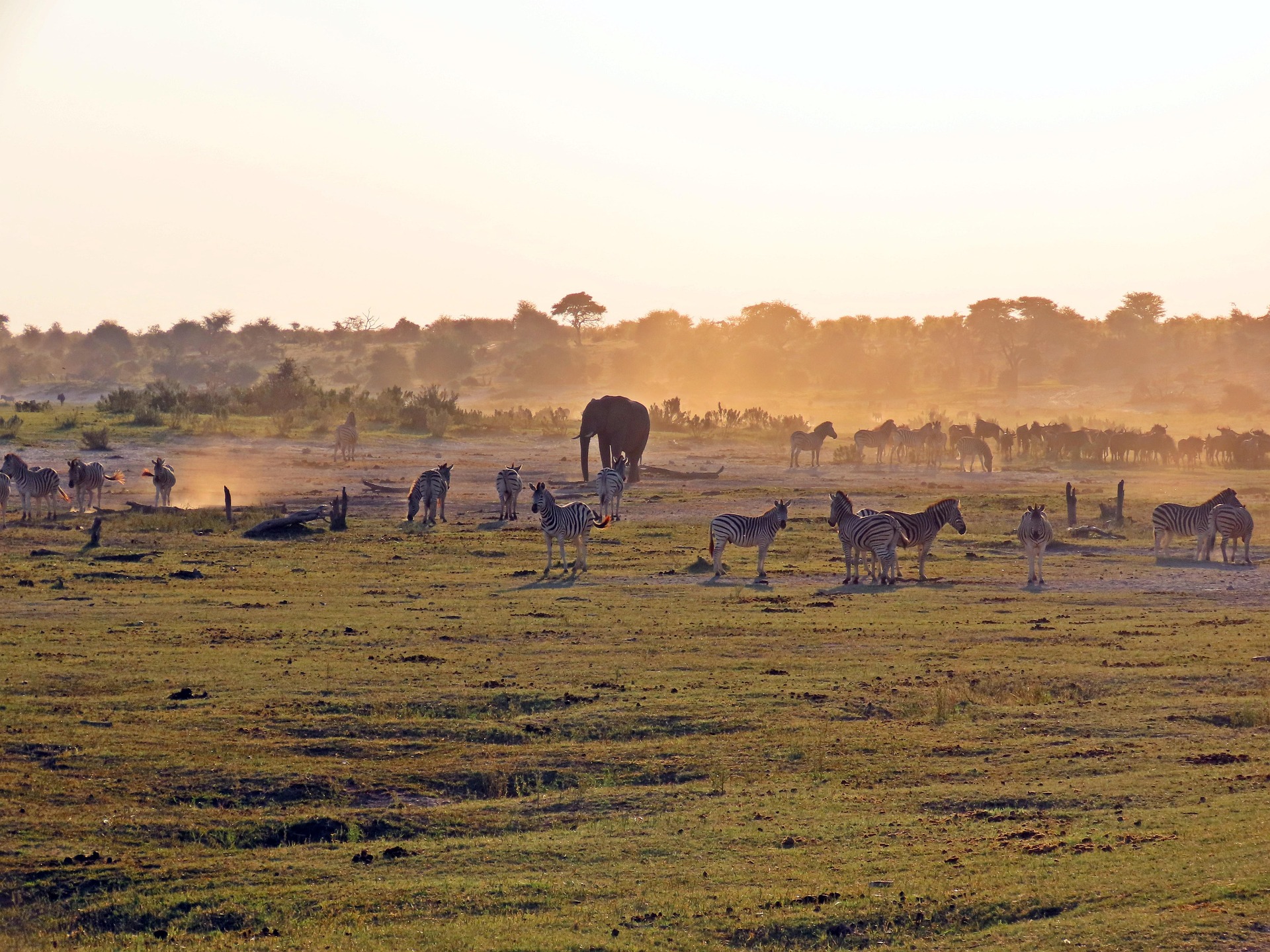
This is the most sought-after time in Southern Africa. The rains have passed, the grasses retreat, and the bush opens up. With water in short supply, wildlife gathers in predictable places, at pans, rivers and waterholes. The cool mornings, warm days and soft light make this season ideal for both seasoned photographers and first-time travellers.
Why go now:
- Wildlife is easier to find and observe
- Excellent conditions for walking safaris
- Fewer insects and little to no rain
- Clear skies and crisp evenings
Tracks criss-cross dusty roads, elephants linger near water, and the hush of dry grass carries the sound of distant lions. It’s a season of sharp sightings and uncluttered views.
Green Season | November to April
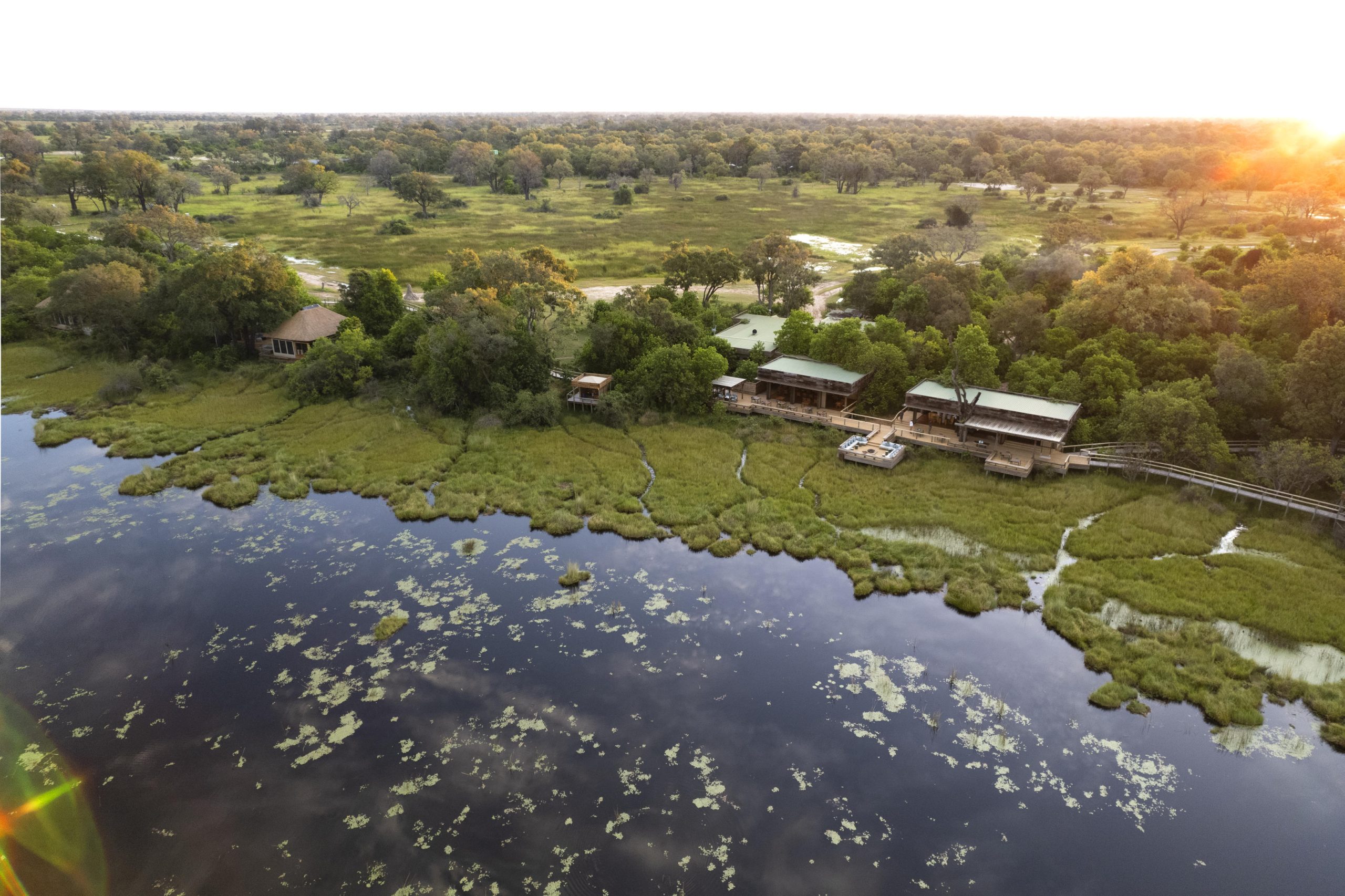
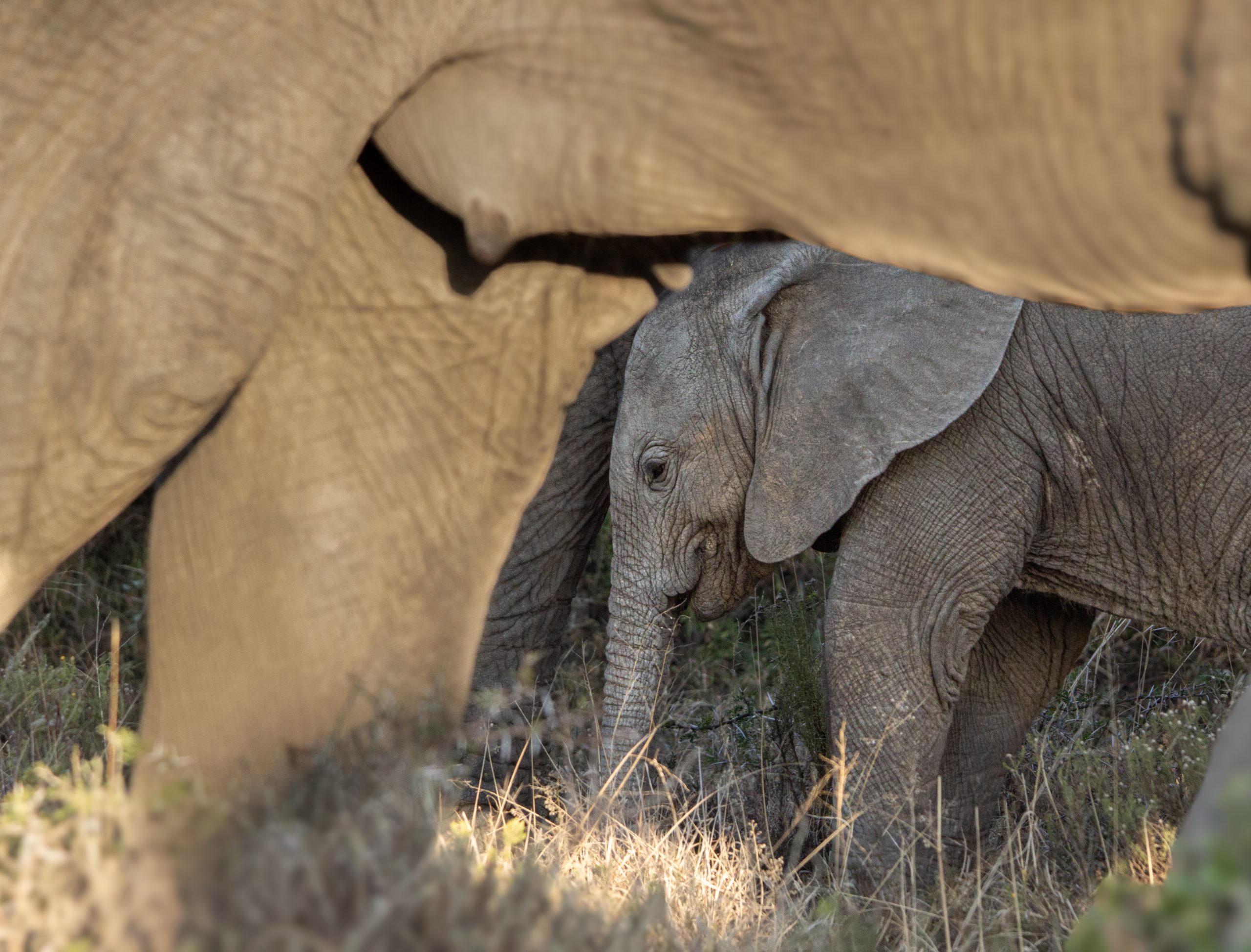
With the arrival of summer rains, the land shifts. Colours return. Trees flush with green. Antelope drop their young, and predators are close behind. Birds arrive from across continents. The air feels alive. This is the season of contrast — softer sightings, sudden storms, and unexpected beauty.
Why go now:
- Calving season attracts predators and drama
- Outstanding birdlife, including migrants
- Quiet camps and fewer vehicles
- Lower rates and gentle light for photography
One moment the sky is clear, the next it deepens with thunder. Newborn impalas take their first steps under watchful mothers, while bee-eaters flash through the wet air. The green season offers texture, colour, and a slower, more intimate safari.
East Africa
Kenya and Tanzania
Dry Season | June to October
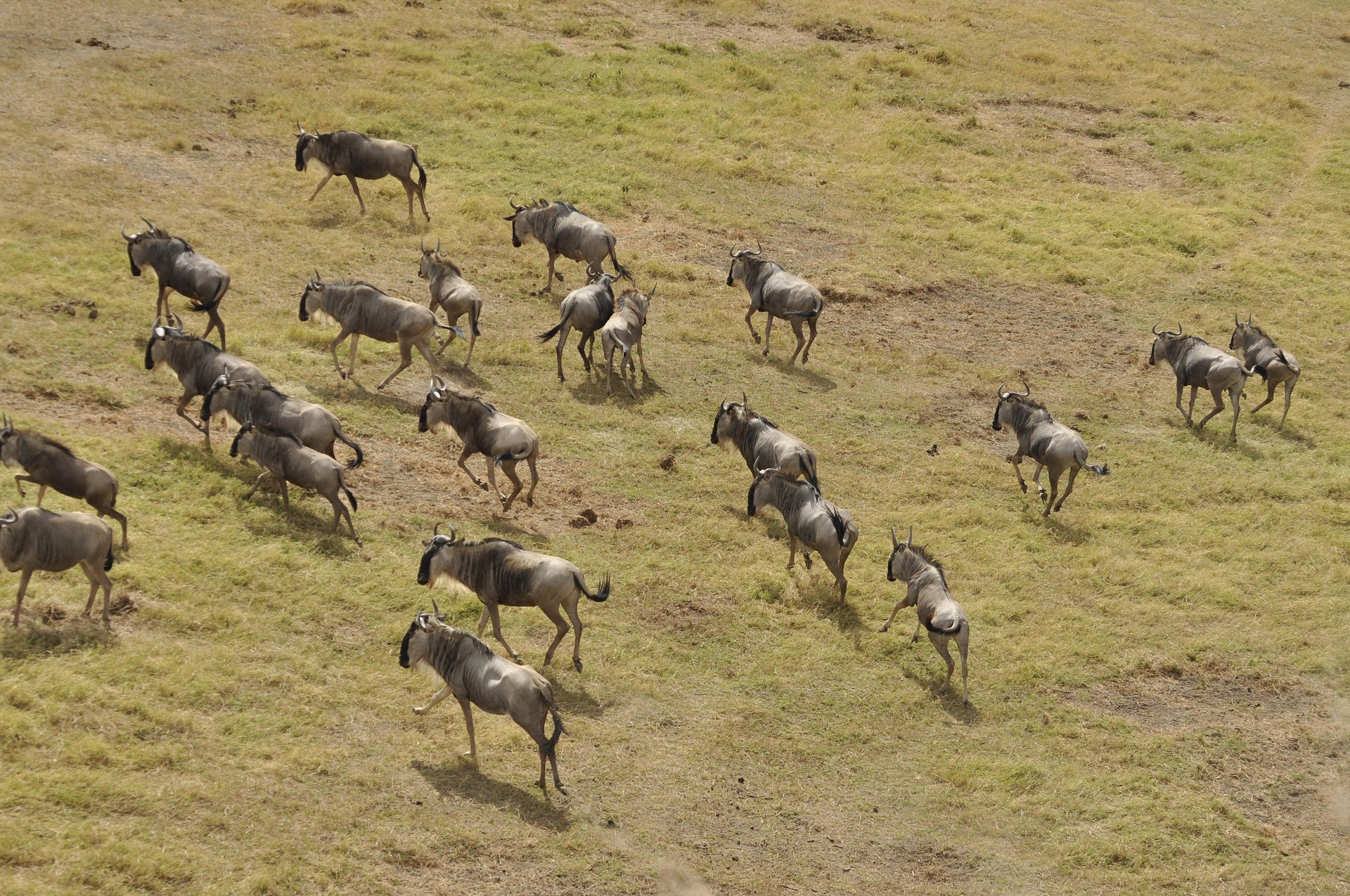
In East Africa, the dry season brings iconic scenes to life. The Great Migration roars through the Serengeti into the Masai Mara, and predators follow closely. The open plains and shorter grass make this a prime time for dramatic moments and sweeping views.
Why go now:
- Wildebeest migration and river crossings
- High concentration of wildlife
- Comfortable weather and minimal rain
- Excellent predator activity
Expect golden light, herds stretching to the horizon, and mornings that feel both still and full of anticipation.
Green Season | November to May
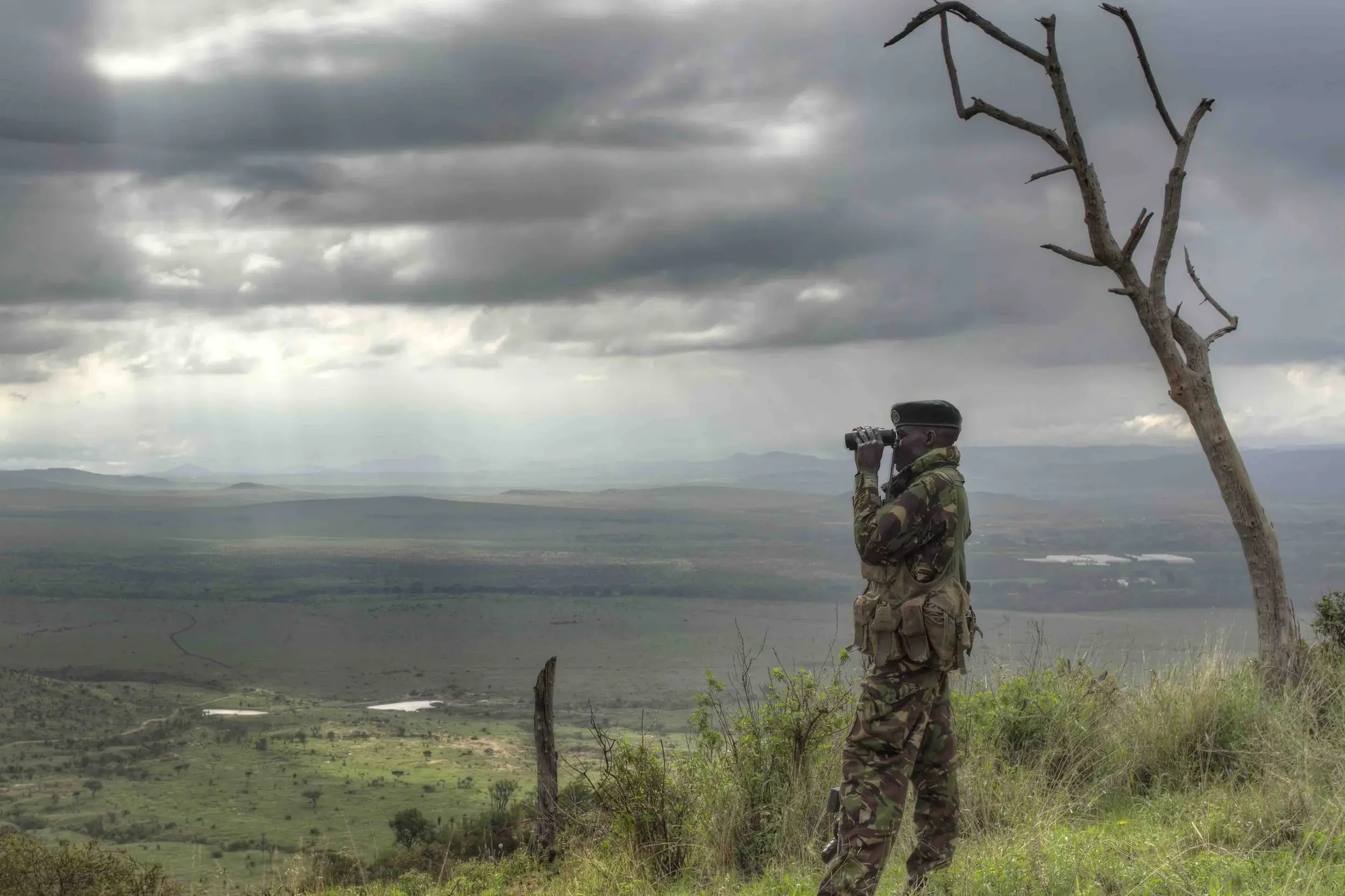
When the rains fall, the herds return south. In February, the calving season begins — a period of birth and vulnerability in the southern Serengeti. Migratory birds arrive in bright flocks, and the bush breathes in the change. This season is less crowded, more affordable, and offers an intimate pace.
Why go now:
- Calving in the Serengeti (Jan–Feb)
- Fewer vehicles, slower safaris
- Dramatic skies and lush vegetation
- Ideal for birders and photographers
Hyenas call across the valleys, heavy clouds roll in from the east, and wildebeest calves gather in crèches as cheetahs scan the open plains. The bush is full of movement, life, and layered stories.

Choosing Your Season
There’s no single best time to go on safari. There is only the time that suits you. Whether you prefer sharp silhouettes in dry air or stormy skies over green savannahs, Africa offers something different — and equally valuable — year-round.
Let us guide you towards the right season for your story.
Because the wild waits differently each month — but it always waits.